10 min read / Bikal Shrestha & TrekGuard Team
Kathmandu to Pokhara in Autumn 2026: Prithvi Highway Closed, and What Still Works
The Krishnabhir cave-in has cut the Prithvi Highway between Kathmandu and Pokhara. Here is the ground status as of 5 September 2026, the detour routes in use, flight options, and how to protect your Annapurna trek dates.
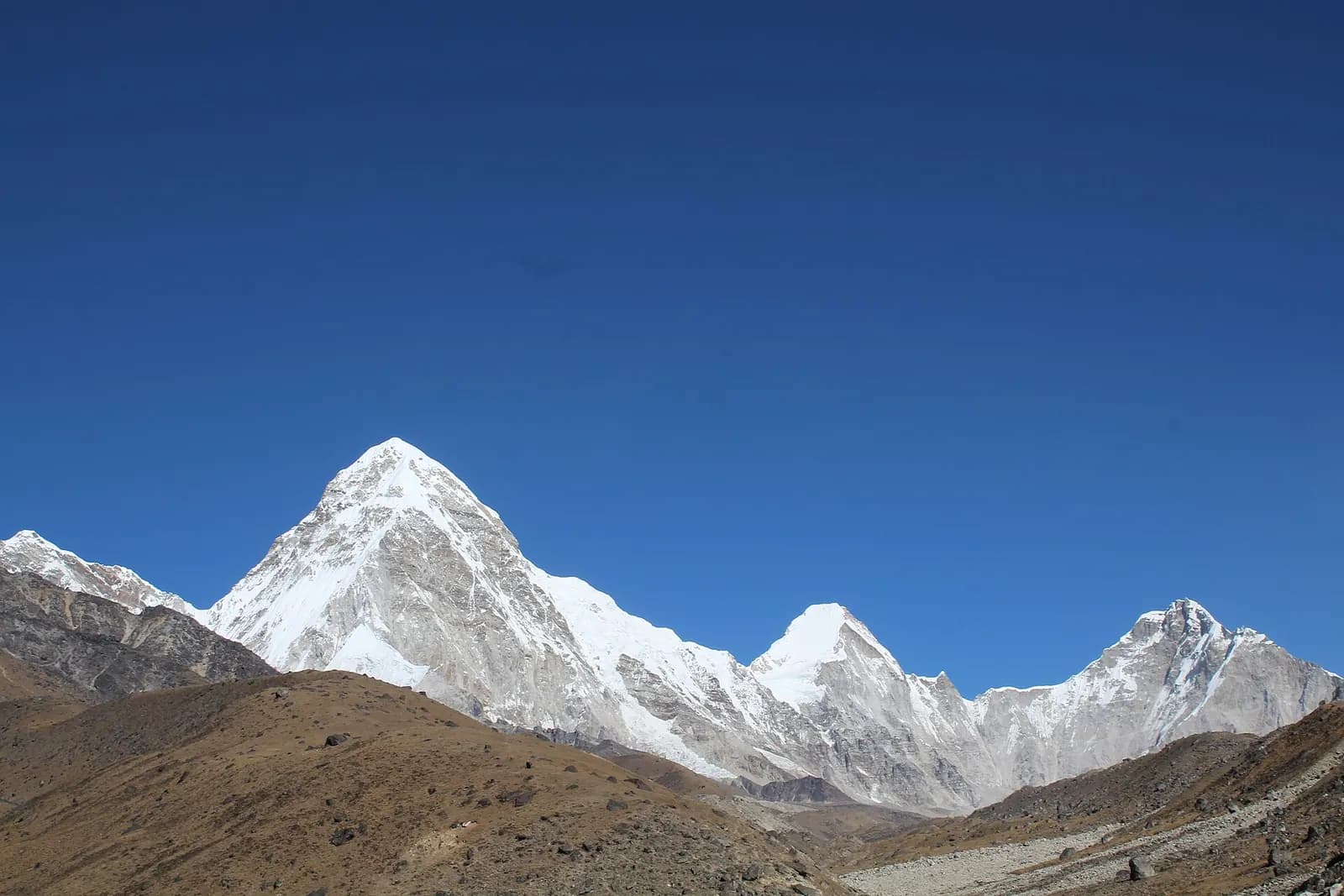
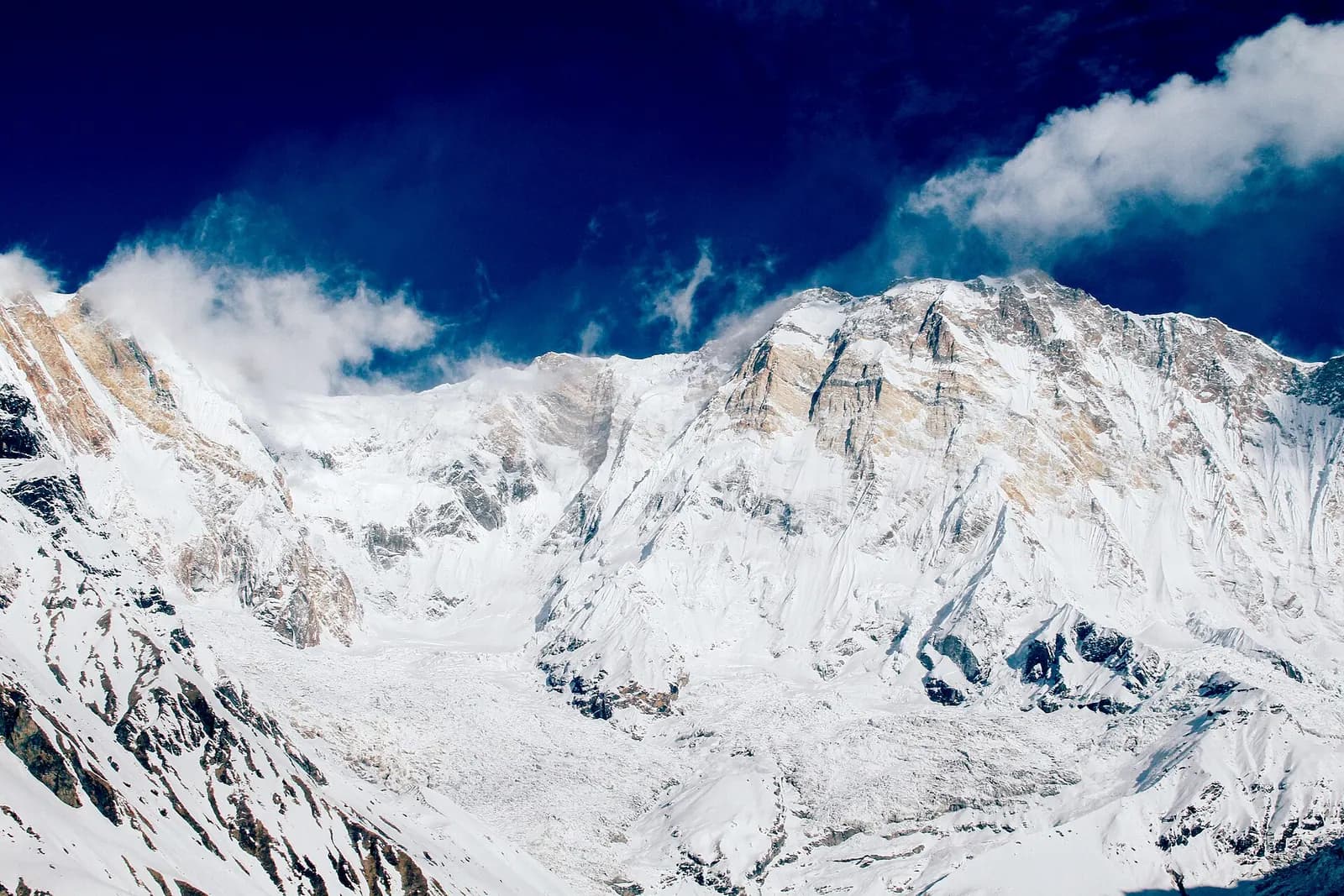
Photo: Rosan Harmens / CC0
Quick Summary
TL;DR - Key Takeaways
- The Prithvi Highway - the single main road between Kathmandu and Pokhara - has been blocked at Krishnabhir in Dhading since late August 2026, after monsoon flooding and a road cave-in swept away a section of the alignment.
- As of 5 September 2026 the Department of Roads is cutting a temporary bypass track above the collapsed stretch. Roughly 50 m had been opened by 4 September and it was still only wide enough for excavators. Officials have talked about restoring traffic within about 15 days, but no reopening date is confirmed.
- Overland traffic is being routed via the Tribhuvan Highway, Kanti Lokpath, and the Hetauda-Naubise and Fisling-Benighat corridors. These are narrower, longer, and heavily congested: the Hetauda-Kathmandu leg alone has gone from roughly 3 hours to about 5.
- Flying is the reliable option. Kathmandu-Pokhara is a 25-30 minute hop with Buddha Air, Yeti Airlines, and Shree Airlines, and the route carries well over 150 flights a week. Expect roughly USD 90-130 one way on tourist fares, and book the earliest slot of the day.
- From 23 September 2026, flydubai begins daily Dubai-Pokhara service into Pokhara International Airport - so Annapurna-bound trekkers can now skip the Kathmandu road problem entirely.
- Your trek itself is very likely fine. The trails and lodges in the Annapurna region are open. What has changed is the travel day at each end, so budget one extra buffer day and confirm road status the morning you move.
Ground Status: What Happened at Krishnabhir
The 2026 monsoon tail hit central Nepal hard. The 26 August flood in Rasuwa cut the Betrawati-Rasuwagadhi corridor and closed Langtang for the season. Days later, a separate failure on the Prithvi Highway at Krishnabhir in Dhading district swept away a section of the road itself, severing the Kathmandu-Muglin stretch - the corridor every bus, jeep, and truck uses between the capital and Pokhara.
Krishnabhir is not a new problem. The slope has failed, been repaired, and failed again over many years, which is why reopening on the original alignment is not straightforward. The Department of Roads has approved both an immediate fix and a longer-term one: gabion structures and slope stabilisation now, with a tunnel, soil nailing, and sheet piling under study for later.
As of 4 September 2026, excavators were working from both ends of the slide to cut a new track above the collapsed stretch, with about 50 metres opened. The department's own statement was blunt: the track is currently only wide enough for excavators, and will take regular vehicles once widened. Some officials have floated a two-week restoration target. Treat that as an aspiration, not a schedule - this is a live monsoon-season slope with more rain still possible.
The honest summary for anyone with September or October trek dates: the road is out today, the reopening date is unknown, and the fix that arrives first will be a single-lane temporary track with convoy-style traffic control, not the old highway.
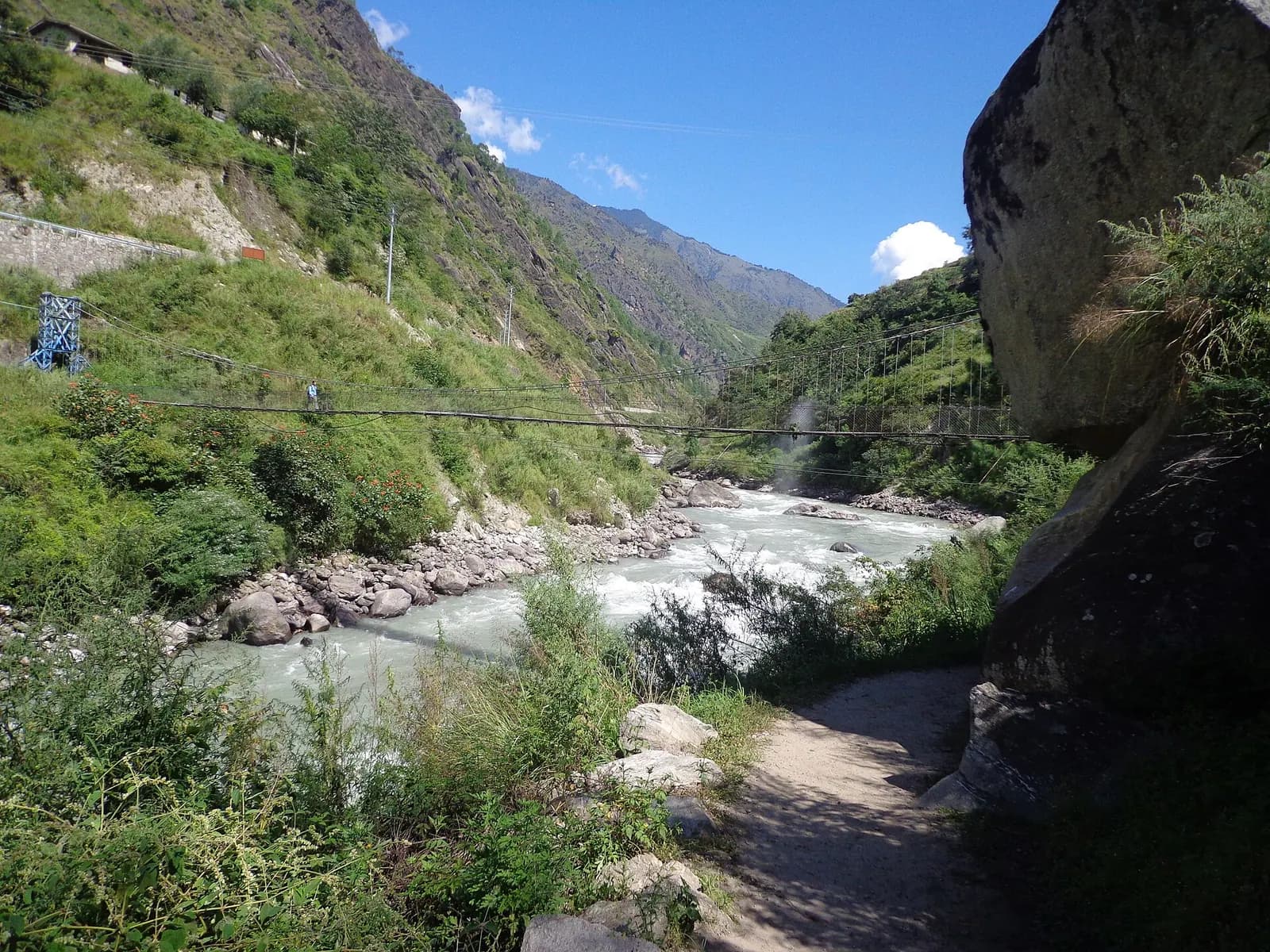
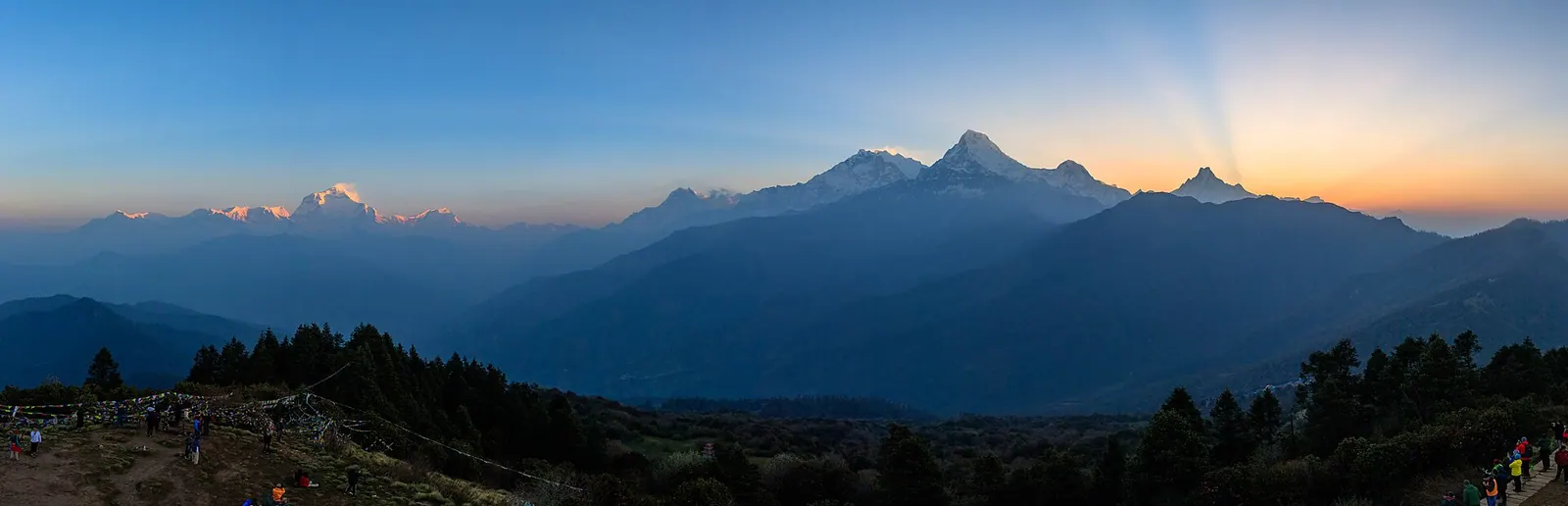
Photo: Rameshjarvis / CC BY-SA 4.0
Your Four Options West, Compared
There is no single correct answer here - it depends on your budget, your luggage, how much slack your itinerary has, and how much night driving on narrow mountain roads you are willing to accept. The comparison below reflects conditions as of 5 September 2026.
One point worth being direct about: a 12-16 hour detour drive that finishes after dark on a winding single-lane road is a genuine risk exposure, not just an inconvenience. Road crashes injure and kill far more visitors in Nepal than altitude does. If your budget can absorb a USD 100 flight, that flight is the safety-conscious choice this season.
| Option | Realistic time | Rough cost | Main catch |
|---|---|---|---|
| Fly KTM-PKR | 25-30 min in the air, 2-3 h door to door | USD 90-130 one way | Morning cloud and monsoon-tail weather can delay or cancel; book the first slot and keep the day flexible |
| Tourist bus via detour | 12-16 h, sometimes more | USD 12-30 | Buses over 14 seats are pushed onto the 132 km Tribhuvan Highway; congestion is severe and arrival is often after dark |
| Private jeep or car | 10-14 h via light-vehicle corridors | USD 130-220 per vehicle | Smaller roads change routing day to day; you are still in the same jams, just with control over stops |
| Wait for Prithvi to reopen | Unknown | n/a | First reopening will be a single-lane temporary track with holding queues, not normal highway service |
The Detour Routes Actually in Use
Traffic between Kathmandu and the west is currently being spread across several corridors, each with its own vehicle restrictions. You do not need to memorise these, but knowing them tells you why your bus ticket says one thing and your driver does another.
Tribhuvan Highway - the old Kathmandu-Hetauda-Narayangadh road, 132 km of narrow switchbacks. Heavy freight and buses carrying more than 14 passengers are directed here. Vehicles with more than 10 wheels are barred outright because the alignment cannot take them.
Kanti Lokpath - taking smaller passenger vehicles only. Width limits and bridge capacity mean only medium-sized empty buses are permitted, so it is not a through-route for a loaded tourist coach.
Hetauda-Naubise and Fisling-Benighat - the two diversion segments doing the heavy lifting for onward western traffic. The Hetauda-Kathmandu leg that used to take about 3 hours on shortcut routes is now running closer to 5 because of congestion.
Light-vehicle corridors - cars and jeeps heading toward Kathmandu have been routed Bhimphedi-Kulekhani-Sisneri-Dakshinkali, with the return leg going Pharping-Phakhel-Kulekhani-Bhimphedi. There is also a Gorkha-side option running Bunkot-Namjung-Ghairung-Durbung to Siurenitar, then Benighat.
Routing has changed more than once already and will change again as the bypass track widens. Whatever your agency told you at booking time is a forecast, not a guarantee - confirm on the morning you actually travel.
Flying: The Practical Details
Kathmandu-Pokhara is one of the densest domestic routes in Nepal. Buddha Air runs on the order of 105 direct flights a week and Yeti Airlines around 70, with Shree Airlines also on the route. Flight time is 25-30 minutes. Seats exist; the constraint is weather and, this autumn, competition from everyone else who has given up on the road.
Fares have been moving in trekkers' favour - domestic airfares were reported down close to 15 percent for this season - and tourist one-way pricing is landing in the USD 90-130 band, with occasional lower fares on quieter dates. That is roughly the cost of one night in a mid-range Thamel hotel plus a taxi, for 10 hours of your holiday back.
Three practical rules. First, take the earliest departure of the day: Himalayan valley cloud builds through the morning and afternoon slots are the ones that cancel. Second, do not connect a domestic flight to a same-day international departure. Third, keep your trek gear within the domestic baggage allowance - typically around 15 kg checked plus a small carry-on - and check your airline's limit, because oversize duffels get charged at the counter.
If a flight does cancel, you are rebooked onto the next available service, which in peak autumn can mean the following day. That is exactly what your buffer day is for.
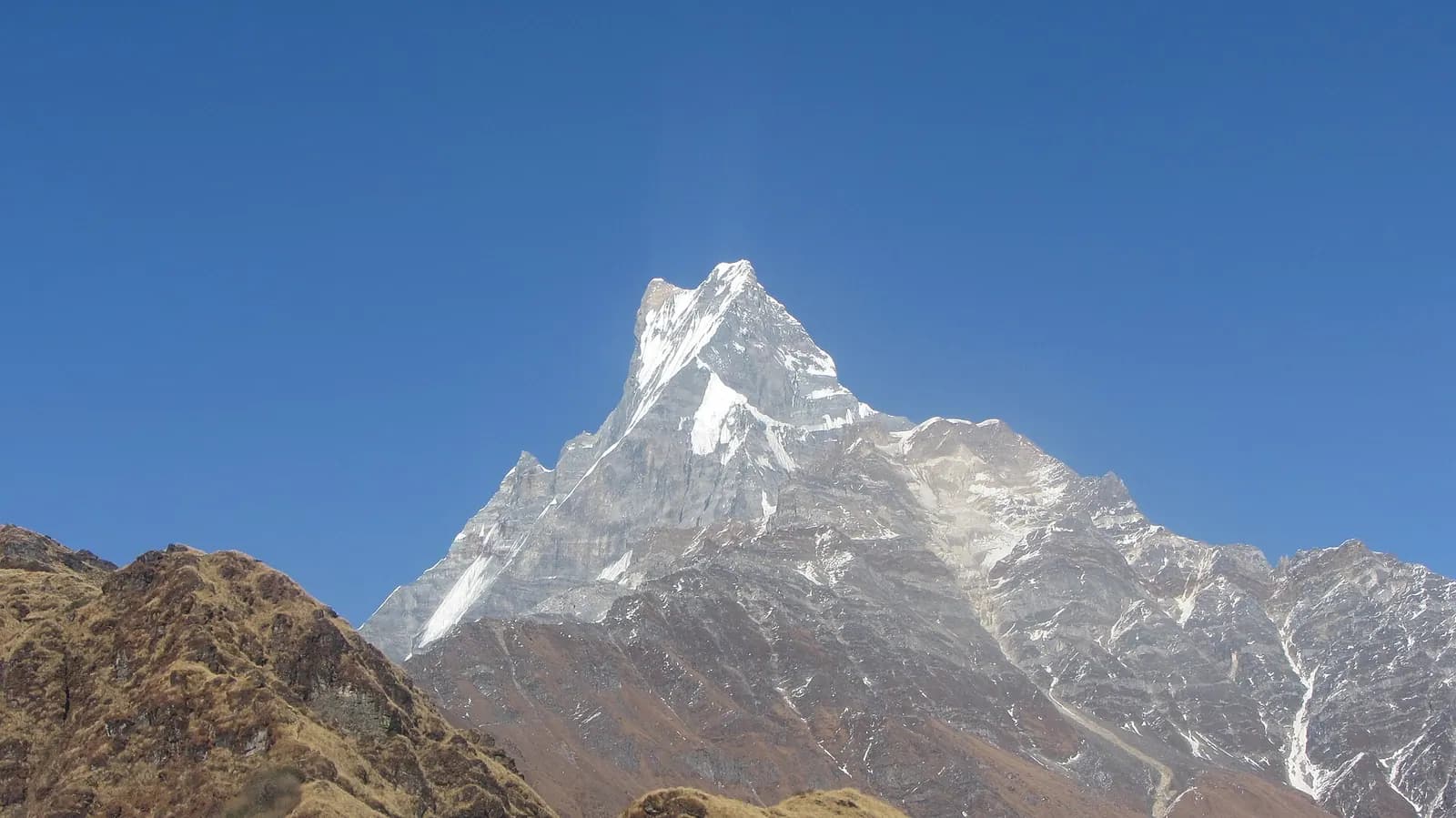
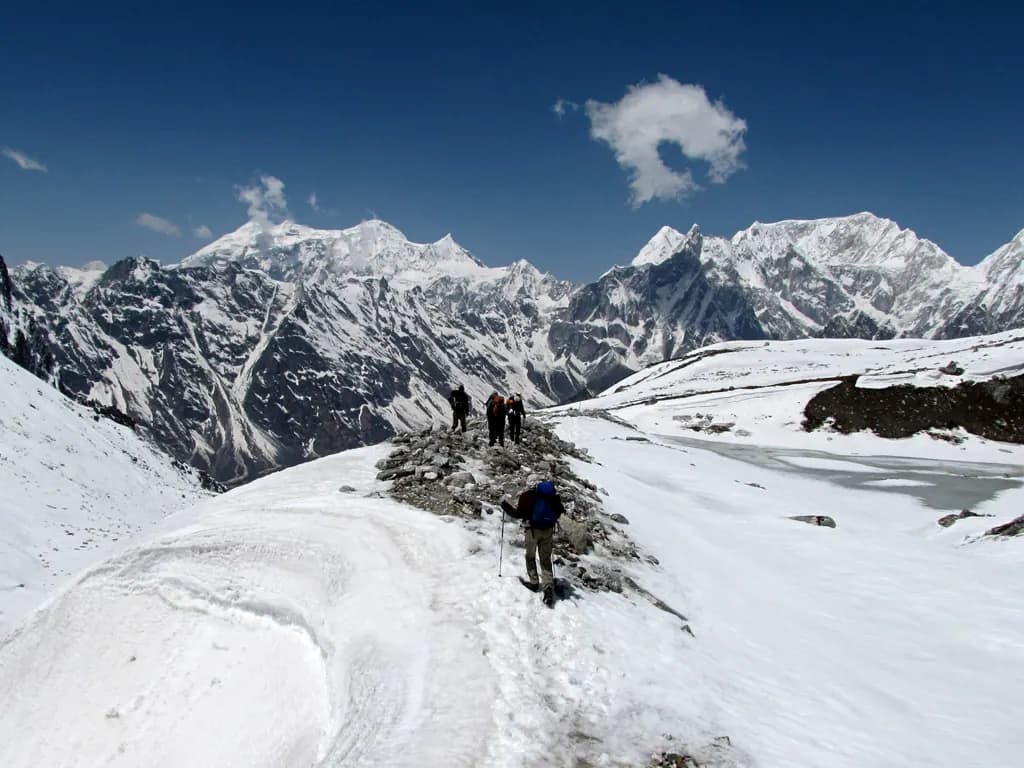
Photo: Pursob64 / CC BY-SA 4.0
New This Season: Flying Straight Into Pokhara
From 23 September 2026, flydubai starts daily direct service between Dubai and Pokhara International Airport, using a 167-seat Boeing 737 on a roughly five-hour sector, arriving Pokhara in the early evening and turning around an hour later. It is the first scheduled daily international service into the airport since it opened in 2023.
For anyone routing through the Gulf - and that is a large share of European, Middle Eastern, and Indian-subcontinent trekkers - this changes the arithmetic. You can land in Pokhara, sleep, and start walking toward Ghorepani, Ghandruk, or Mardi Himal the next morning without ever touching the Prithvi Highway or a Kathmandu hotel.
The trade-off is paperwork. Annapurna Conservation Area permits are issued in Pokhara as well as Kathmandu, so a Pokhara arrival works fine for ACAP-area treks. Restricted-area permits are still processed through a registered agency in Kathmandu and need lead time. If your trek is Upper Mustang, Manaslu, or Tsum Valley, plan on Kathmandu paperwork regardless of where you land - see our Nepal trekking permits guide for what each region requires.
Which Treks This Actually Affects
It is worth separating the trek from the travel day. Trail damage and road damage are different problems, and this autumn most of the trouble is on the roads.
Annapurna region - open, approach only. Annapurna Base Camp, Mardi Himal, Poon Hill, Khopra Danda, Ghandruk, and the Annapurna Circuit are operating normally once you are in Pokhara. Your only issue is getting to Pokhara.
Everest region - unaffected. Lukla flights operate from Kathmandu or Ramechhap depending on the season, and the Ramechhap road runs east, nowhere near Krishnabhir. If you are Khumbu-bound, this closure is not your problem. Our Lukla flight guide covers that leg's own set of delays.
Manaslu and Tsum Valley - check with your agency. The Arughat and Machhakhola approaches feed off the same Kathmandu-westward corridor and are reached through the diversion segments rather than the closed section. Access has been running via detours, but transfer times are longer and less predictable than the figures your itinerary quotes.
Langtang, Tamang Heritage, road-based Gosaikunda - closed for the season. That is a separate and more serious closure caused by the 26 August Rasuwa flood, covered in our Rasuwa flood advisory and our list of six alternative treks for autumn 2026.
| Region | Approach | Status |
|---|---|---|
| Annapurna Base Camp, Mardi Himal, Poon Hill, Annapurna Circuit | Kathmandu-Pokhara road or flight, or direct into Pokhara | Trails open; road approach disrupted, fly if you can |
| Everest Base Camp, Gokyo Lakes, Three Passes | Lukla flight from Kathmandu or Ramechhap | Unaffected by the Krishnabhir closure |
| Manaslu Circuit, Tsum Valley | Kathmandu to Arughat or Machhakhola | Running via diversions; confirm transfer times with your agency |
| Langtang Valley, Tamang Heritage, road-based Gosaikunda | Betrawati-Syabrubesi corridor | Closed for autumn 2026 - reroute |
| Upper Mustang, Shey Phoksundo, far west | Domestic flights via Nepalgunj or Pokhara | Flight-dependent, unaffected by this road closure |
How to Rebuild Your Itinerary Around This
You do not need to cancel. You need slack in the right places.
Add one buffer day before the trek, not after. A day lost on the approach eats into your acclimatisation schedule and pushes you toward rushing the ascent - which is how altitude illness gets manufactured. A day of slack in Pokhara costs you a lodge night. A compressed ascent profile can cost you the trek. Our altitude sickness prevention guide covers what a safe profile looks like.
Book the flight first, then fix the trek start date. In peak autumn, seats and weather constrain you more than lodges do.
Do not schedule your international departure for the day you come off the trail. With both flight risk and road risk in play this season, two nights of margin before an international flight is the sane minimum.
Confirm on the morning you move. Road status is updated by the Department of Roads and Nepal Police as work progresses, and your agency or bus operator will know the day's routing before you do. A question the night before is worth more than any advisory written a week earlier - including this one.
Assume long, jolting transfers if you go overland. Motion sickness tablets, water, snacks, a charged power bank, and a headtorch for an after-dark arrival. Sit toward the front of the bus.
Prepare Offline Before You Leave the City
Detours mean hours in places your itinerary never mentioned, often with patchy data coverage, and sometimes an arrival at a trailhead you had not planned on. That is exactly when a phone that only works online becomes useless.
Download your route, offline maps, and the elevation profile while you still have hotel Wi-Fi in Kathmandu or Pokhara - not at the trailhead. TrekGuard keeps the route, terrain, and acclimatisation plan on the device, so a changed start point or a late arrival does not leave you navigating from a screenshot. Our offline GPX navigation guide covers the wider workflow, and the connectivity guide covers which SIM to buy before you head out.
One more thing worth doing in the city: share your itinerary and emergency contacts with someone at home, and tell them the plan may shift by a day. Autumn 2026 is a season where the schedule you sent in July is not the schedule you will walk.
Frequently Asked Questions
Is it safe to travel to Nepal right now?
Yes, with route awareness. Kathmandu, Pokhara, and the main trekking regions are operating normally. The damage is concentrated on specific road corridors - the Prithvi Highway at Krishnabhir, and the Betrawati-Rasuwagadhi road into Langtang. The realistic risk this season is a long, tiring detour drive rather than anything on the trail, which is why flying between Kathmandu and Pokhara is the recommendation.
Will the Prithvi Highway reopen before October?
Nobody can say for certain. As of 5 September 2026 the bypass track above the collapsed stretch was still only excavator-width, with roughly 50 m cut. Officials have discussed restoring traffic in about two weeks, but Krishnabhir has failed repeatedly in the past and the monsoon tail is not finished. Plan as though the road is unavailable, and treat a reopening as a bonus.
Should I cancel my Annapurna trek?
No. Annapurna trails, teahouses, and permits are all functioning. Change how you get to Pokhara, not whether you go. Fly Kathmandu-Pokhara, or - from 23 September - fly into Pokhara International Airport directly if your routing allows it.
Bus or flight to Pokhara this season?
Flight, if you can afford roughly USD 90-130. The detour drive is running 12-16 hours on narrow secondary roads with heavy congestion and frequent after-dark arrivals. The flight is 25-30 minutes and gives you most of a trekking day back.
Is Pokhara itself damaged?
No. Pokhara, its lakeside district, both its airports, and the Annapurna trailheads beyond it are operating. The disruption is the road link between Kathmandu and Pokhara, not the destination.
Can I still trek Langtang?
Not on standard road-based itineraries this autumn. The 26 August Rasuwa flood severed the Betrawati-Syabrubesi corridor that carries every vehicle to the Langtang trailheads. See our alternative treks guide for equivalent routes with intact access, including the foot approach to Helambu from the Kathmandu valley rim.
Does the road closure affect Everest Base Camp?
No. Everest Base Camp is reached by air to Lukla from Kathmandu or Ramechhap, and the Ramechhap road runs east from Kathmandu, away from the affected corridor. The Everest region has its own flight-delay risk, but the Krishnabhir closure does not add to it.