Head to head
Annapurna North Base Camp Trek vs Tsho Rolpa Lake Trek
Annapurna North Base Camp Trek is the more approachable option (Moderate, max 4,190 m), while Tsho Rolpa Lake Trek is the bigger undertaking (Challenging, max 4,580 m). Pick based on your experience, available days and how high you're comfortable sleeping.
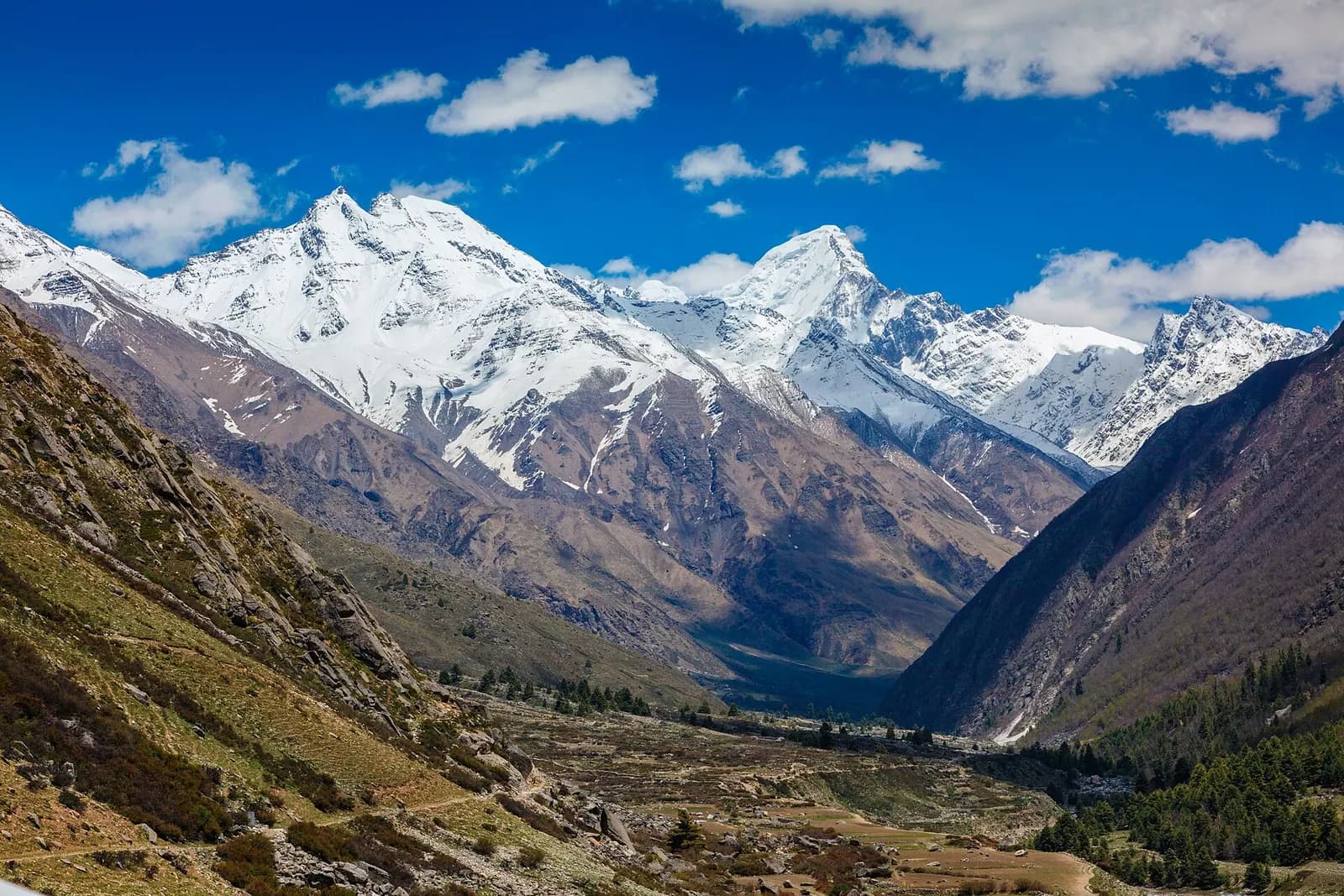
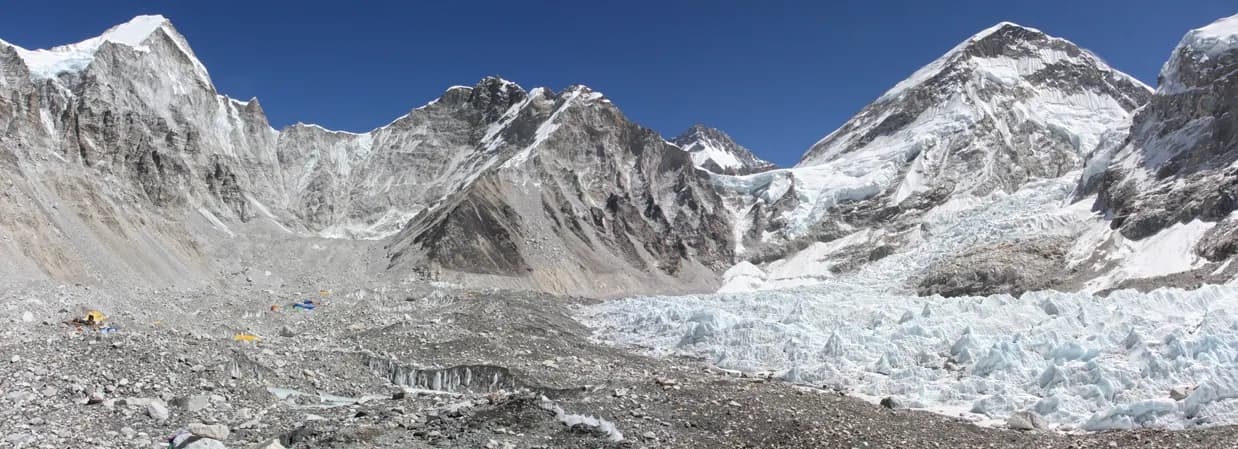
Difficulty
Annapurna: Moderate
vs Tsho: Challenging
Max altitude
Annapurna: 4,190 m
vs Tsho: 4,580 m
Duration
Annapurna: 5 days
vs Tsho: 8 days
Choose
Annapurna North Base Camp Trek
if you want…
- Less demanding - Moderate vs Challenging
- Shorter trip - 5 days vs 8
- Lower max altitude (4,190 m) - gentler on acclimatization
- More popular and better supported with teahouses
Choose
Tsho Rolpa Lake Trek
if you want…
- Higher summit point (4,580 m) for bigger mountain views
- More time on the trail - 8 days to immerse
- Quieter, more remote region
- Explores the Rolwaling region
Full comparison
| Annapurna North Base Camp Trek | Tsho Rolpa Lake Trek | |
|---|---|---|
| Difficulty | Moderate | Challenging |
| Duration | 5 days | 8 days |
| Max altitude | 4,190 m | 4,580 m |
| Total distance | 23 km | 65 km |
| Elevation gain | 1,300 m | 4,100 m |
| Best season | Mar - May, Aug - Nov | Mar - May, Sep - Nov |
| Est. budget | USD 350-900 | USD 700-1,500 |
| Permits | Annapurna Conservation Area Permit (ACAP) | Gaurishankar Conservation Area Permit, TIMS Card |
| Accommodation | Teahouses and local lodges | Teahouses and local lodges |
| Mobile network | Variable by village and carrier | Patchy in upper sections |
| Safety level | Medium | Medium |
Planning aid only. GPX and route pages are not live trail authority. Map packs need download on Wi‑Fi; weather and SMS need connectivity when used.
Annapurna North Base Camp Trek vs Tsho Rolpa Lake Trek: common questions
Which is harder, which goes higher, which costs more, and which one to do first - answered from the route data in the table above.
Which is harder, the Annapurna North Base Camp Trek or the Tsho Rolpa Lake Trek?
Tsho Rolpa Lake Trek is the harder of the two: challenging versus moderate, topping out at 4,580 m against 4,190 m. Annapurna North Base Camp Trek is the more approachable option (Moderate, max 4,190 m), while Tsho Rolpa Lake Trek is the bigger undertaking (Challenging, max 4,580 m). Pick based on your experience, available days and how high you're comfortable sleeping.
Which goes higher, the Annapurna North Base Camp Trek or the Tsho Rolpa Lake Trek?
Tsho Rolpa Lake Trek reaches 4,580 m, against 4,190 m on Annapurna North Base Camp Trek - a difference of about 390 m. A higher maximum means a slower ascent profile and more exposure to acute mountain sickness.
Which takes longer, the Annapurna North Base Camp Trek or the Tsho Rolpa Lake Trek?
Tsho Rolpa Lake Trek takes 8 days against 5 for Annapurna North Base Camp Trek - 3 days more on the trail, plus buffer days for weather and flights.
Which is cheaper, the Annapurna North Base Camp Trek or the Tsho Rolpa Lake Trek?
Typical per-person budgets are USD 350-900 for the Annapurna North Base Camp Trek and USD 700-1,500 for the Tsho Rolpa Lake Trek, covering permits, lodging, food and local transport. Guides, porters, domestic flights and insurance are extra and usually dominate the difference.
Which should a first-time trekker choose, the Annapurna North Base Camp Trek or the Tsho Rolpa Lake Trek?
Annapurna North Base Camp Trek is the safer first choice: moderate rating, a maximum of 4,190 m, and 5 days on the trail. Save Tsho Rolpa Lake Trek for after you know how your body handles sleeping above 2,500 m.
When is the best time to do the Annapurna North Base Camp Trek or the Tsho Rolpa Lake Trek?
Annapurna North Base Camp Trek is best in Mar - May, Aug - Nov; Tsho Rolpa Lake Trek is best in Mar - May, Sep - Nov. If your dates are fixed, let the season pick the route rather than forcing a route into the wrong season.
Still weighing it up? Build a side-by-side with any routes in our interactive tool.
Get it on Google Play
Ready for your next Nepal & mountain adventure?
Download map packs on Wi‑Fi, pull weather while online, then use GPS altitude, planner & safety tools on trail - free on Google Play. Not a guide or rescue service.